
Dr Gillian White
Friday 6th November 2026
Dr Gillian White specialises in the history and visual arts of late medieval and sixteenth-century England. After beginning her career at the Warwickshire Museum, she then worked for the National Trust as Curator/Collections Manager at Hardwick Hall, Derbyshire, about which she wrote her PhD at Warwick University. Since that she taught part-time at Leicester University in the Centre for the Study of the Country House and continues to teach History of Art in the Department of Continuing Education at Oxford University and elsewhere. For her most recent visit, she talked about John Churchill, the first Duke of Marlborough, and his connection with Salisbury.
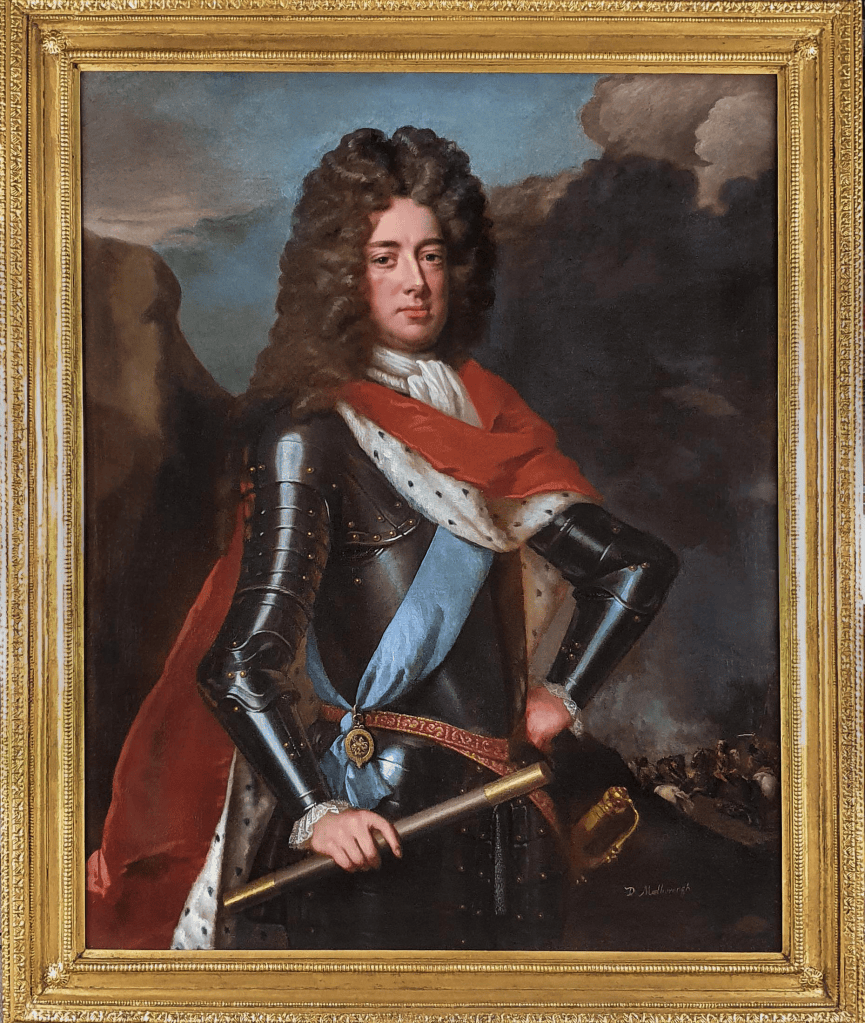
What makes a man abandon the king who made his career? In her talk to the Probus Club of Salisbury, Gillian White explored the life of John Churchill, the first Duke of Marlborough, and took us back to a moment in 1688 when that question played out in Salisbury itself.
Churchill was born in 1650 into a Dorset family whose fortunes had suffered during the Civil War. The Restoration brought fresh opportunities. His older sister Arabella entered the household of the Duke of York and became his mistress, while John gained the duke’s patronage and an army commission at seventeen. Churchill’s charm helped him at court, and his abilities as a soldier and diplomat soon became apparent. Gillian recalled the story of his affair with Barbara Villiers, one of Charles II’s mistresses. When she gave him £5,000, the practical young Churchill used it to buy himself a lifetime income.
Churchill secretly married Sarah Jennings in 1677. Gillian described theirs as a love match and an enduring, if sometimes volatile, partnership. Sarah’s close friendship with Princess Anne gave the couple another connection at court, one that would prove valuable when Churchill’s old patron, by then James II, found his throne under threat.
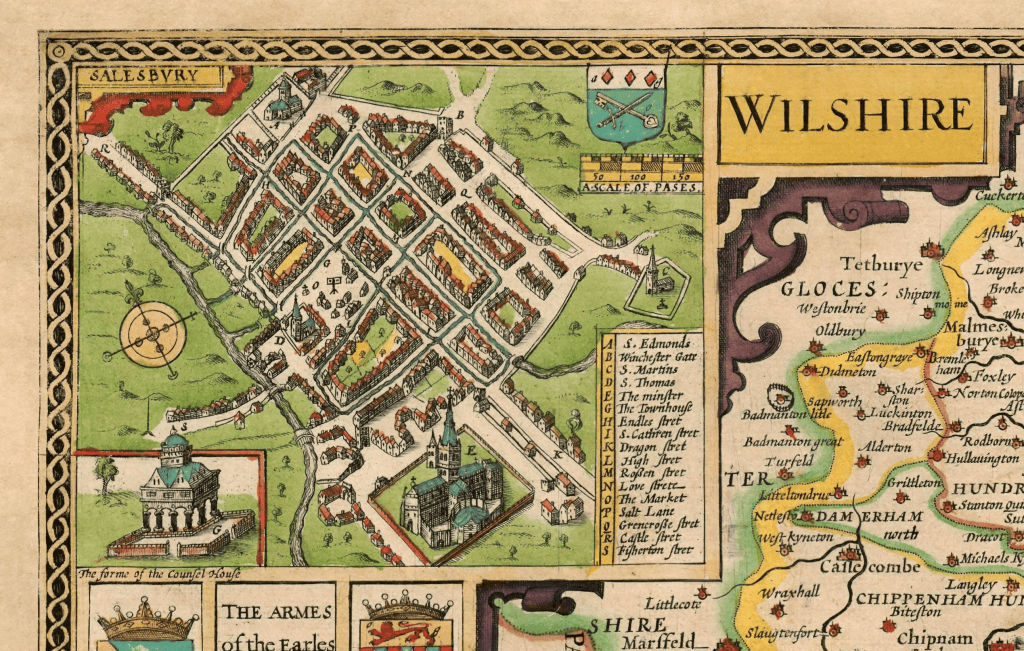
In November 1688, as William of Orange advanced from Devon, James joined his army at Salisbury. Desertions gathered pace, and Churchill slipped away to join William. In a letter to James, he acknowledged all he owed the king and said that conscience and his Protestant faith had compelled him to leave. Gillian invited us to weigh that explanation alongside the political calculation involved. William made Churchill Earl of Marlborough, though trust was harder to earn. Churchill later spent time in the Tower of London and was released after the evidence against him proved to be forged. His secret contact with the exiled James, however, was real.
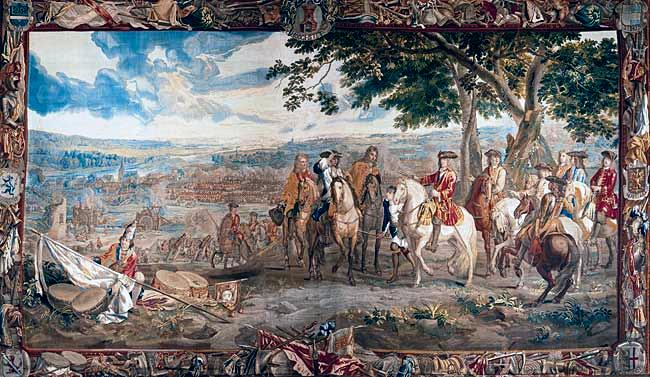
Churchill’s greatest success came during the War of the Spanish Succession. In 1704 he marched his army from the Low Countries to the Danube to help Austria. At Blenheim, he and Prince Eugene of Savoy defeated the French and Bavarians. Gillian explained how the French crowded reinforcements into the village of Blenheim, weakening the centre of their line and giving Churchill the opening he needed. The victory kept Austria in the alliance and earned Churchill the Woodstock estate, where Blenheim Palace was built.
Further victories followed, but the political ground shifted at home. Sarah’s friendship with Queen Anne broke down, the Tories gained power, and the government pursued peace with France. Accused of corruption, Churchill was dismissed in 1711. He died in 1722, before the palace was completed.
Blenheim Palace still commemorates the victory. Gillian’s talk also gave us the man behind it, a gifted commander whose faith, ambition and family loyalties could pull him in different directions. Nowhere was that tension clearer than in his decision to leave James at Salisbury.
A most interesting presentation in the way we have come to expect from this excellent speaker and we look forward to seeing and hearing from her again in the future.
Club matters concluded, and the usual informal lunch at the New Inn allowed members to catch up, discuss the talk and generally put the world to rights.
Another enjoyable morning.
Discover more from Probus Club of Salisbury
Subscribe to get the latest posts sent to your email.

