
1st May 2026
Members of the Salisbury Probus Club were treated to a fascinating and wide-ranging talk exploring the hidden wartime history of the New Forest. Presented as an “open-top bus tour” of the area, the lecture revealed how today’s peaceful landscape once played a vital role in Britain’s war effort.
A landscape at war
During the Second World War, much of the New Forest was effectively handed over to the military. It became a vast training ground for troops and tanks, a testing site for experimental weapons, a hub for airfields and logistics, and a key embarkation area for D-Day.
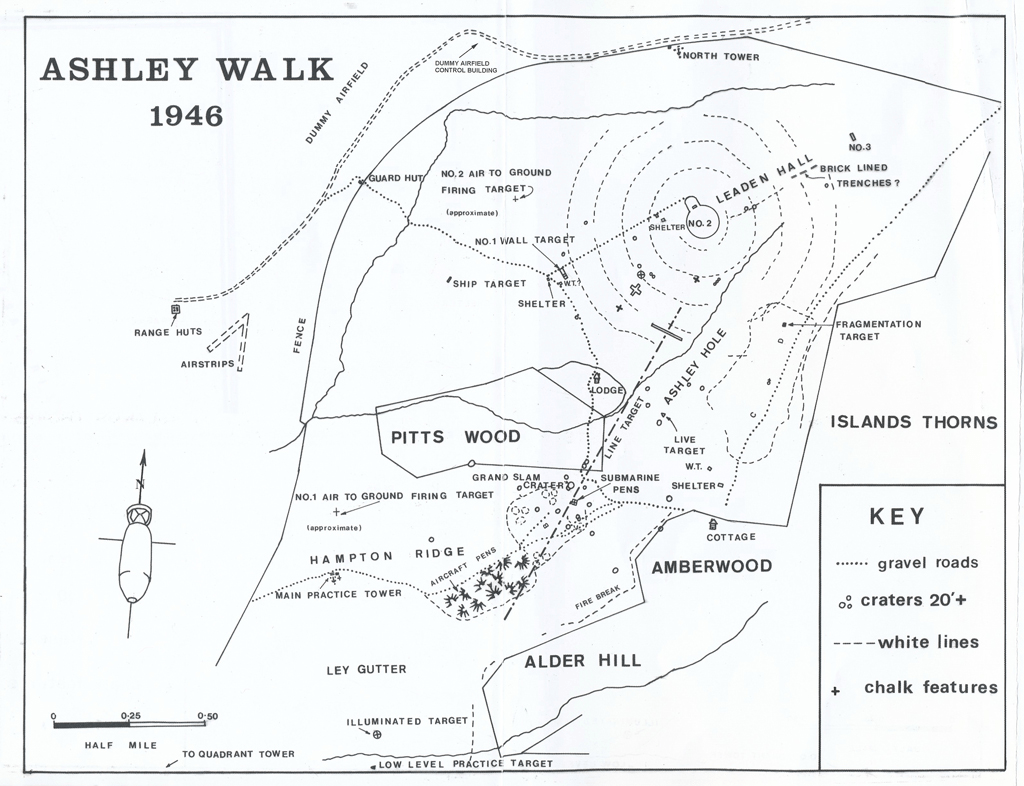
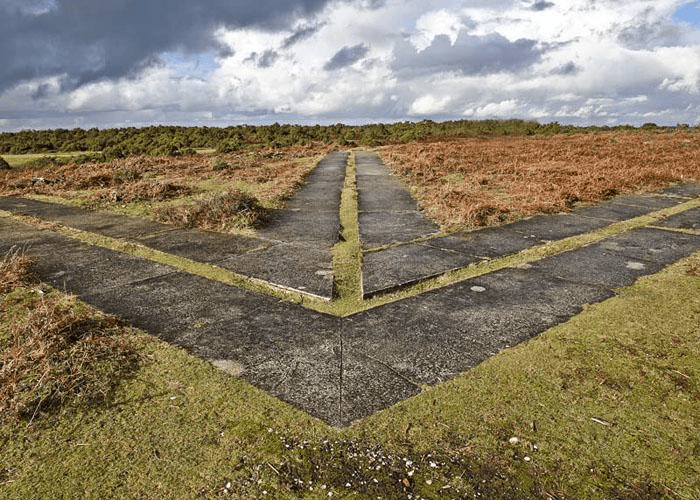
At Ashley Walk, near Godshill, the largest bomb ever dropped on British soil—the 10-ton “Grand Slam” designed by Barnes Wallis—was tested. The enormous crater it created was later filled in, but the surrounding landscape still bears the marks of intensive wartime use.
Defending against invasion
With the threat of German invasion at its height in 1940, villages such as Beaulieu and Lyndhurst were transformed into “anti-tank islands”. Roads could be blocked, vehicles funnelled into controlled routes, and hidden gun positions brought into action if required.
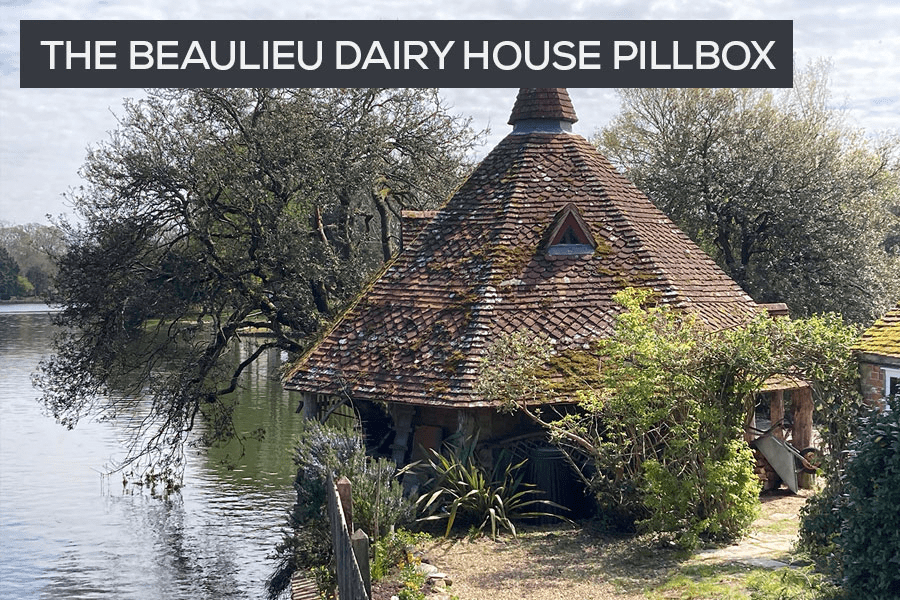
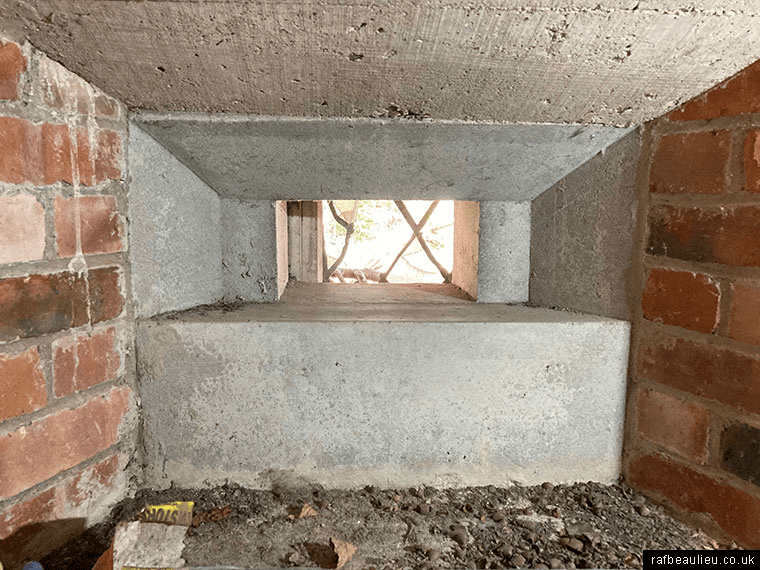
A remarkable surviving example is the Beaulieu Dairy House, a centuries-old structure reinforced and converted into a disguised pillbox. From its concealed firing points, defenders could cover the river, bridge and road approaches.
Secret armies and hidden defences
Alongside visible defences, the New Forest was also home to highly secretive preparations. The Auxiliary Units—sometimes referred to as Churchill’s “secret army”—were made up of local men trained in sabotage and guerrilla warfare.
Operating in small, hidden patrols, they were intended to remain behind enemy lines in the event of invasion. Their concealed underground bases remain largely undiscovered, adding an enduring layer of mystery to the Forest’s wartime history.
Coastal defences and the air war
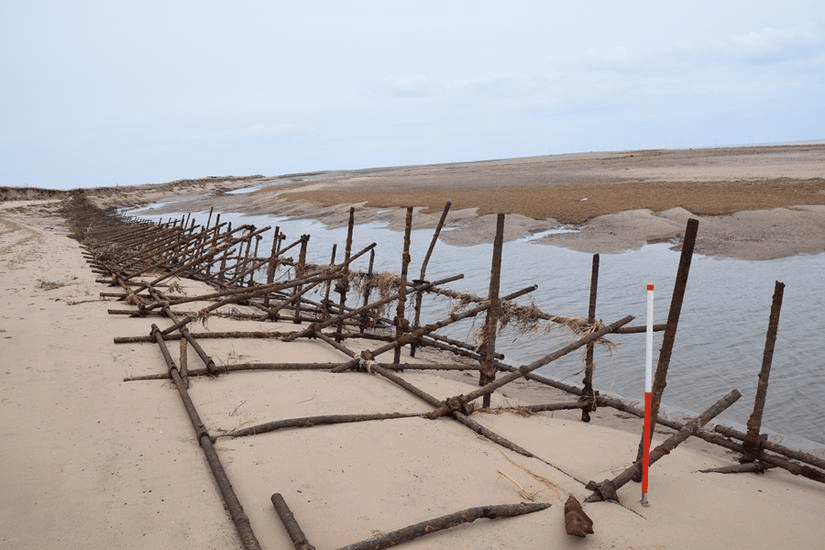
The coastline from Milford-on-Sea to Lepe was heavily fortified with pillboxes, anti-tank blocks, barbed wire and even beach scaffolding designed to prevent enemy landings. Some of these structures, along with occasional unexploded ordnance, can still be found today.
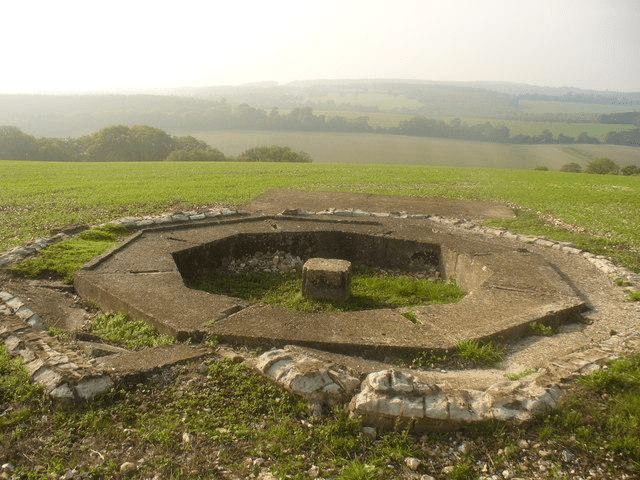
Meanwhile, the Royal Observer Corps and searchlight units worked together to track and counter enemy aircraft, particularly during the heavy bombing of nearby Southampton.
Preparing for D-Day
By 1943 and 1944, the focus shifted from defence to preparation. The New Forest became a vast marshalling area, with thousands of troops and vehicles assembled under canvas in woods and fields.
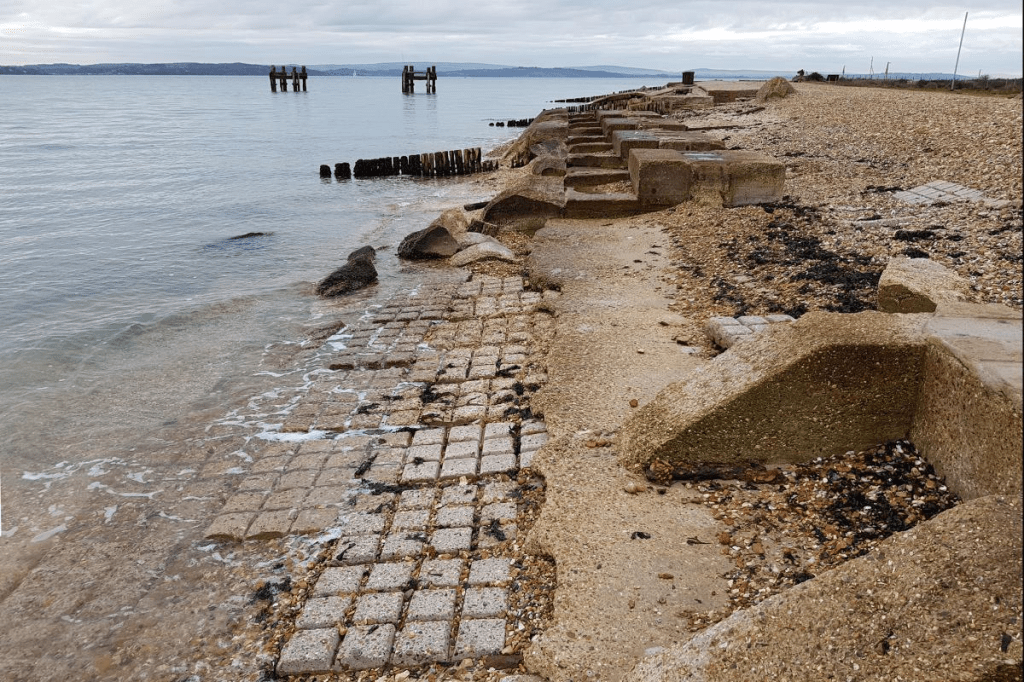
Roads and bridges were strengthened, temporary railway links were installed, and beaches such as Lepe were adapted with concrete “hardening” to support heavy vehicles embarking for the D-Day landings.
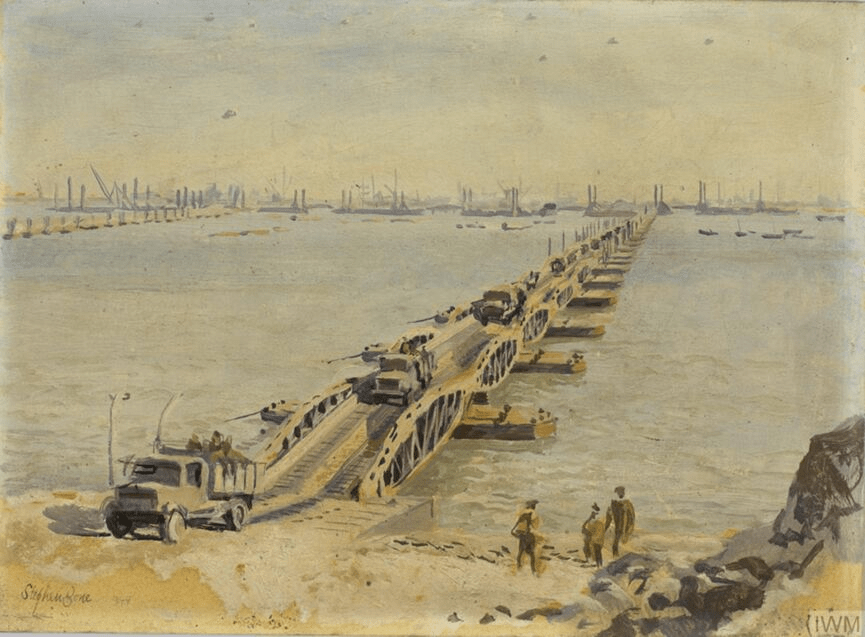
The area also contributed to the construction of the Mulberry Harbours—temporary floating ports that enabled supplies to be landed in Normandy after the invasion.
Prisoners of war in the New Forest
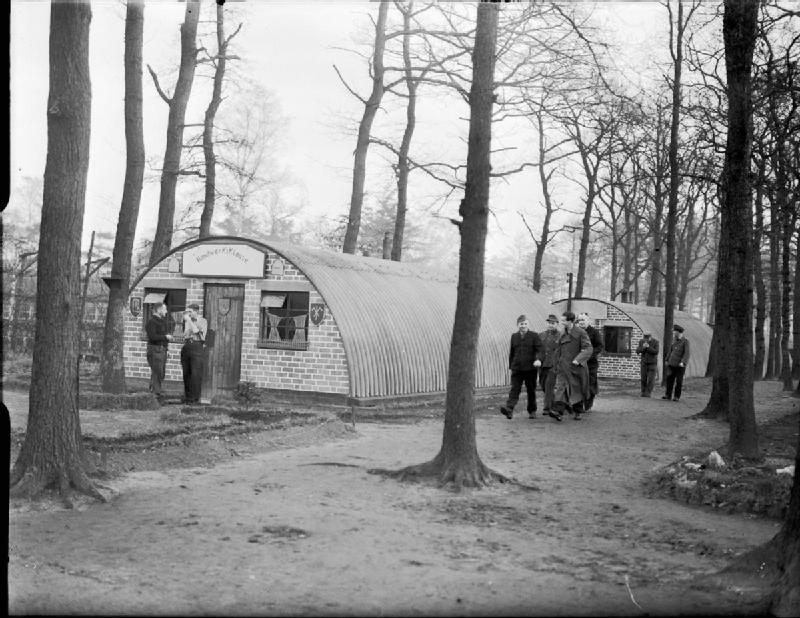
The New Forest was also home to prisoner-of-war camps, including one at Setley Plain near Brockenhurst. Initially housing Italian prisoners and later German troops, the camp held several hundred men.
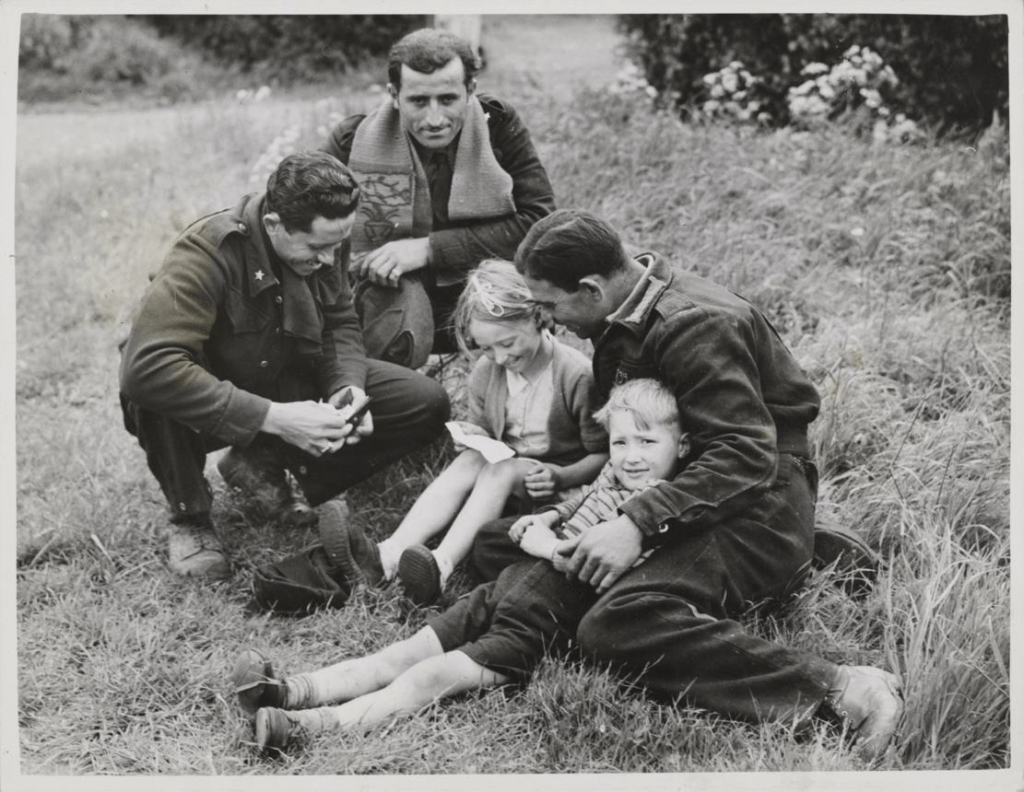
Prisoners were often transported daily to work on local farms and undertake labouring tasks. In many cases, relationships developed with local communities, and some former prisoners later settled in the area after the war.
A human story
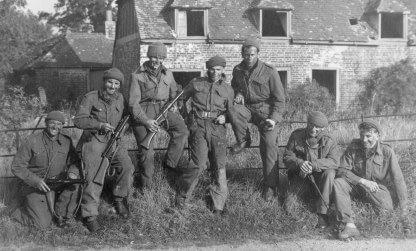
The talk concluded with a moving story of American soldiers photographed in Brockenhurst in 1944. Decades later, one soldier’s family was traced and reunited with his photograph—an enduring reminder of the personal stories behind the history.
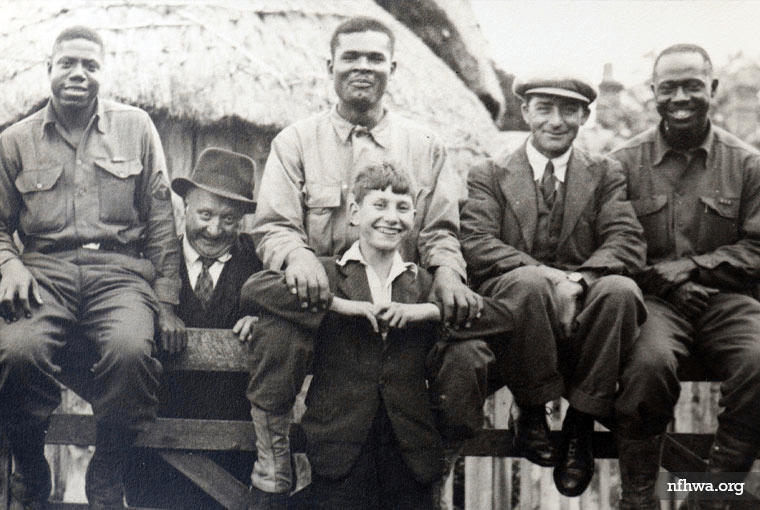
This was an absorbing and thought-provoking presentation, highlighting how the tranquil New Forest landscape still carries the legacy of wartime innovation, preparation and human experience.
The Probus Club of Salisbury extend their thanks to Marc for an excellent presentation.
Ian Preece, 5th May 2026
Discover more from Probus Club of Salisbury
Subscribe to get the latest posts sent to your email.
 Probus Club of Salisbury
Can anyone remember the name of this crossroads? I’m interested, having served
LikeLike
Ipley Crossroads was the location of an ROC site.
LikeLike
Marc gave a fantastic talk and Ian has provided a great record. Thank you both.
LikeLike