
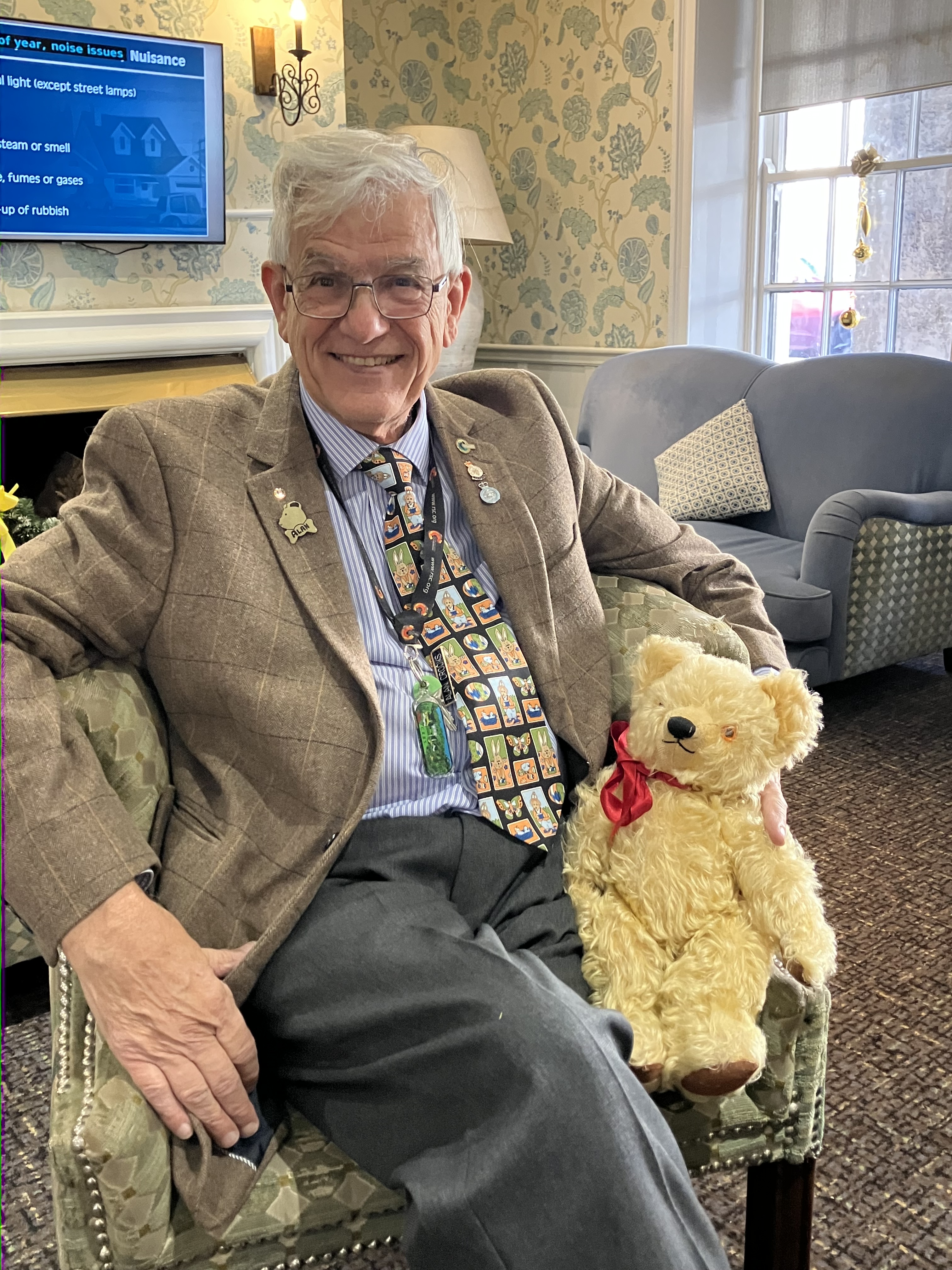
Dr Gilliam White Phd – Presented to Salisbury Probus Club, 21st November 2025
Our latest Probus meeting treated us to a wonderfully engaging talk on an unexpectedly rich subject: the history of the teddy bear. Far from being just a soft and sentimental childhood toy, the teddy bear turns out to be a remarkable thread woven through the events, culture and even politics of the 20th century.
From a German Sewing Room to a Global Icon
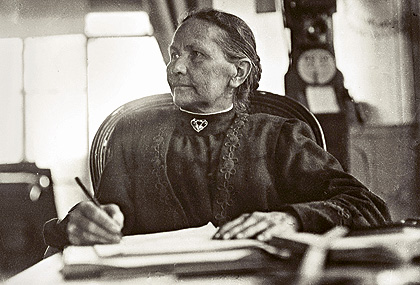
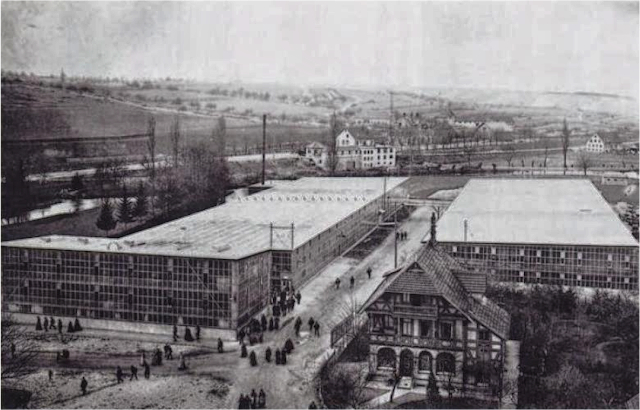
We began with Margarete Steiff, the entrepreneurial German seamstress who, despite being disabled by polio, built a thriving toy company from leftover pieces of felt. Her nephew, Richard Steiff, created the first soft, lifelike bear made of mohair plush — the prototype that would eventually become the world’s first teddy bear.
A chance encounter at the 1903 Leipzig Toy Fair led to a major New York order, at the very moment the American public had fallen in love with President Theodore “Teddy” Roosevelt and his famous refusal to shoot a tethered bear. The timing was perfect, and “Teddy’s Bear” was born.
Across the Atlantic – and Into British Hands
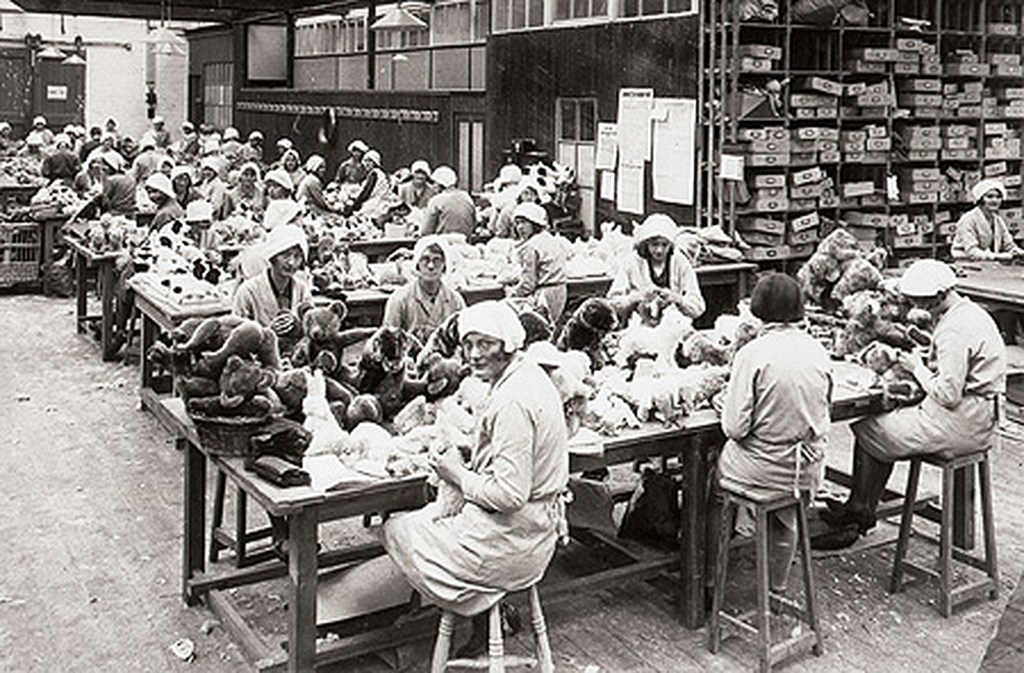
British makers quickly joined in. Firms like J.K. Farnell, William Terry, Chad Valley and later Merrythought helped establish the teddy bear as a staple of British childhood. The Yorkshire wool industry even supplied the plush used by the German manufacturers.
By 1912 the teddy bear was so embedded in popular culture that Steiff produced a black “mourning bear” after the sinking of the Titanic — originally for shop window memorials, later a collectable in its own right.
The Bear Goes to War
During both World Wars, teddy bears accompanied soldiers into battle, served as mascots, and appeared in propaganda. One tiny Farnell bear was designed to fit into the breast pocket of a uniform jacket — a comforting good-luck companion “looking out” with its upturned face.
A Steiff bear named Blanche travelled with a female SOE agent on covert missions during WWII, while British children clung to their bears during air-raid nights. Gas mask cases decorated with bears helped ensure children never left them behind.
New Materials, New Media, New Audiences
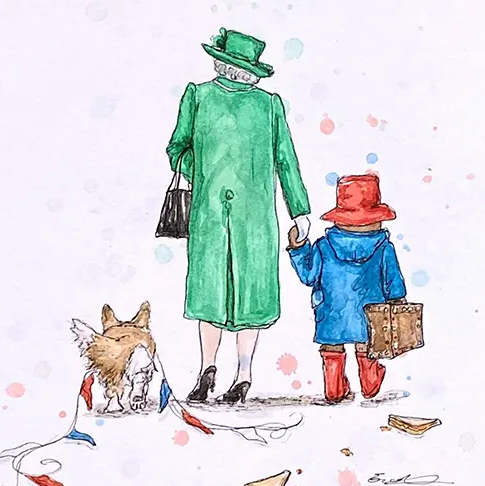
Post-war, the teddy bear adapted to the age of washing machines, thanks to innovators like Wendy Boston, who produced washable nylon bears with foam rubber stuffing. Then came the television era: Andy Pandy, Sooty, Paddington, and a host of other screen bears carried the tradition forward.
By the 1970s the bear risked becoming unfashionable — until Brideshead Revisited revived interest, sparking a boom in designer and collectible bears. Auction prices soared, sometimes into six figures, though one might reasonably ask what purpose a bear serves if it can never be hugged.
What the Teddy Bear Is Really For
The talk concluded with poet John Betjeman, who wrote lovingly about his own childhood bear, Archibald Ormsby-Gore — a symbol of security, comfort and unconditional companionship.
A delightful and unexpectedly moving talk, reminding us that even the humblest object can carry history, emotion, and human resilience within its seams.
Very many thanks to Gillian for an excellent presentation. We look forward to seeing her again in the future.
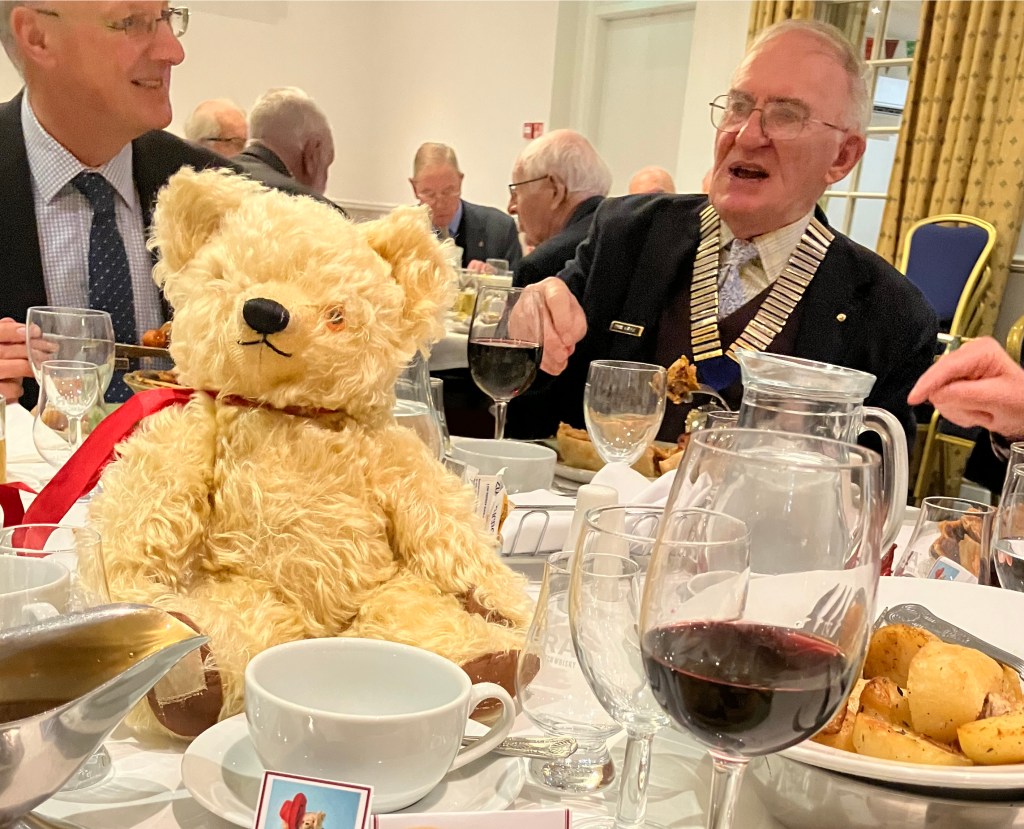
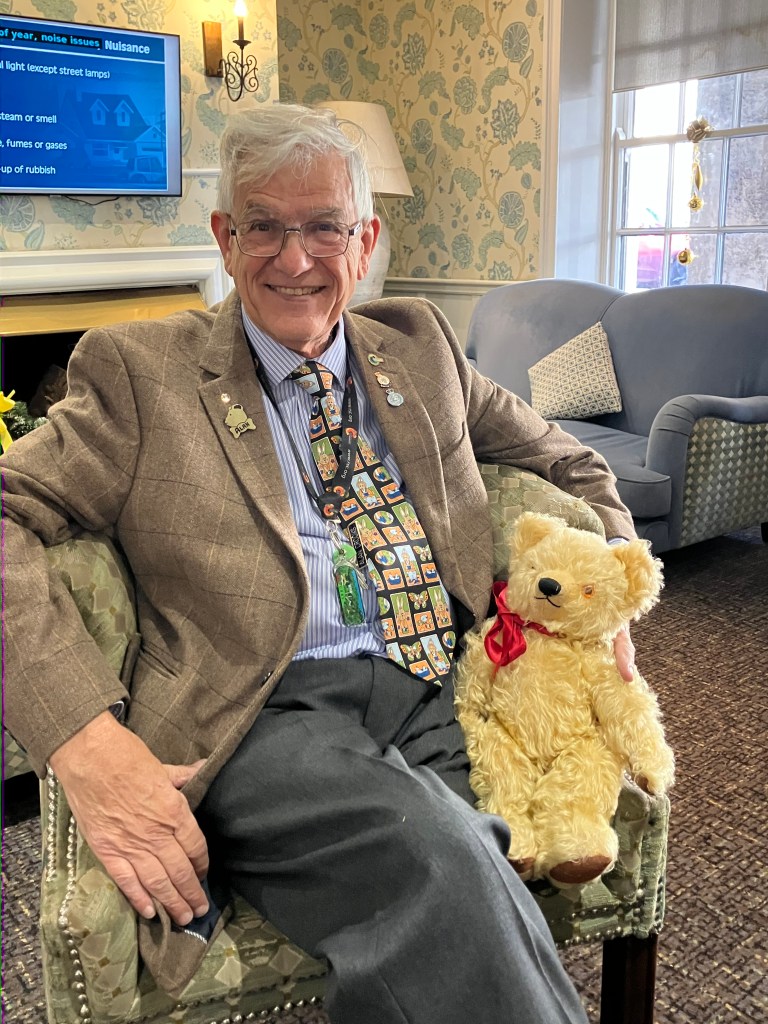
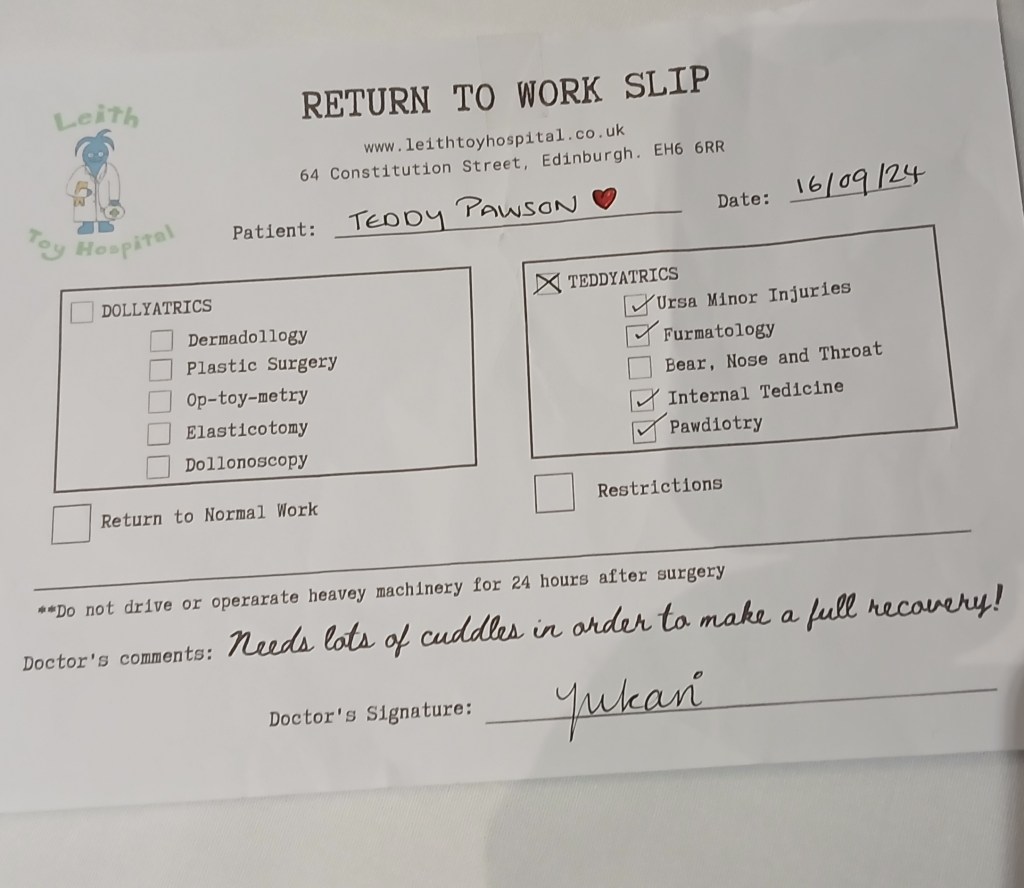
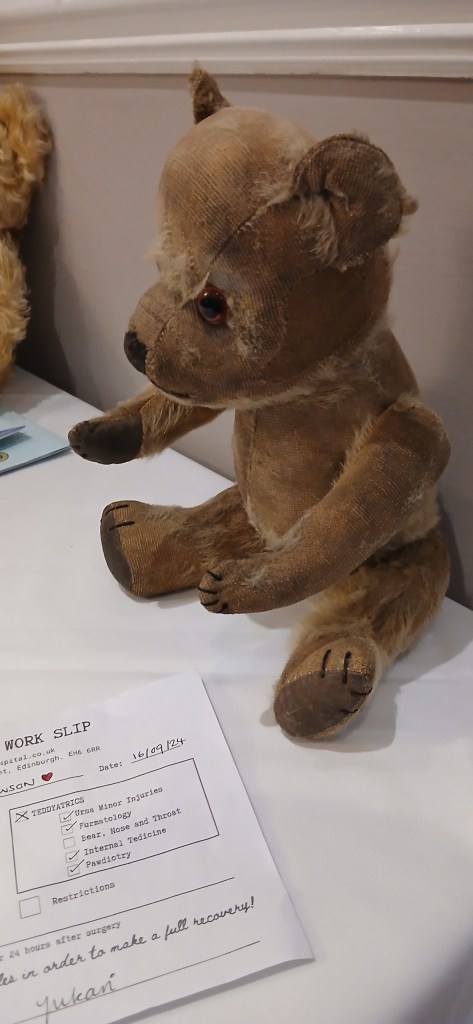
The meeting concluded with Dereck Pawson delivering the vote of thanks. Just before this, dereck introduced us to his wife’s teddy bear which she had cared for all her life. The bear had recently returned from a visit to the Leith Toy Hospital (Teddyatrics Unit) where it had undergone treatment for a number of conditions (see photo below), and had been issued with a ‘return to work’ certificate.
Following the close of the meeting, members enjoyed an excellent lunch and some ‘stories’ from the usual suspects, messers Ball, Burrows, Howard and Sharpe.
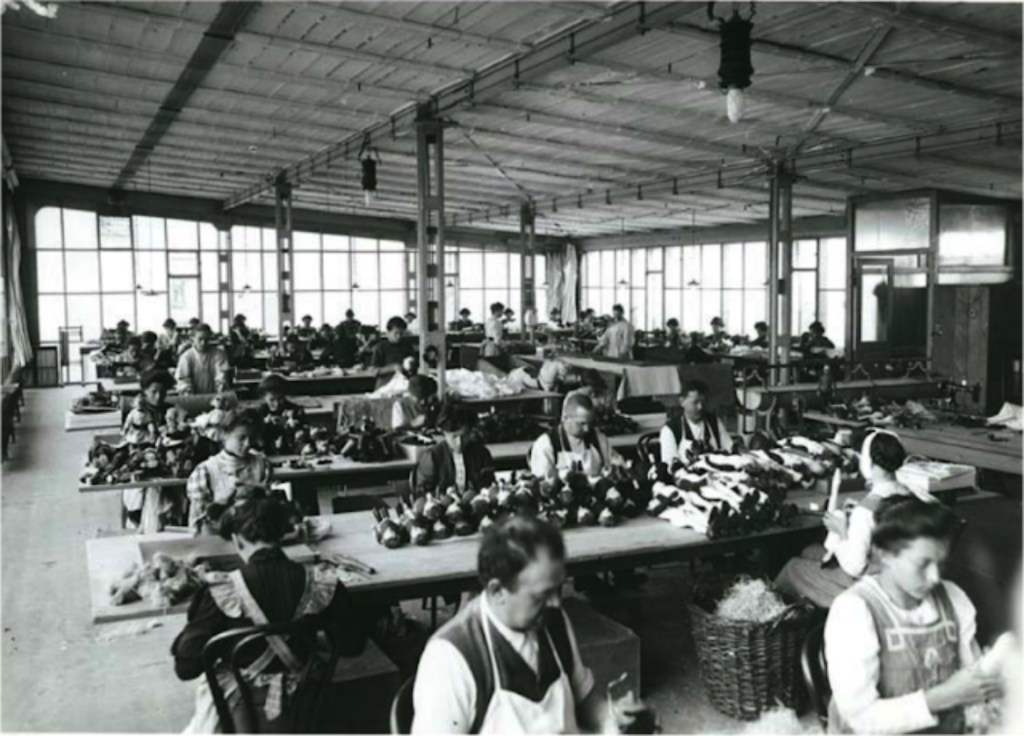
For those interested in the Steiff factory, a remarkable factory for it’s time, the following links may be of interest:
https://facadesconfidential.blogspot.com/2011/11/steiff-factory-and-birth-of-curtain.html
Discover more from Probus Club of Salisbury
Subscribe to get the latest posts sent to your email.


A fine write up to wh
LikeLike
https://www.londonzoo.org/zoo-stories/history-of-london-zoo/famous-animals-london-zoo/winnie-pooh-originsSent from my iPhone
LikeLike