
21st October 2022
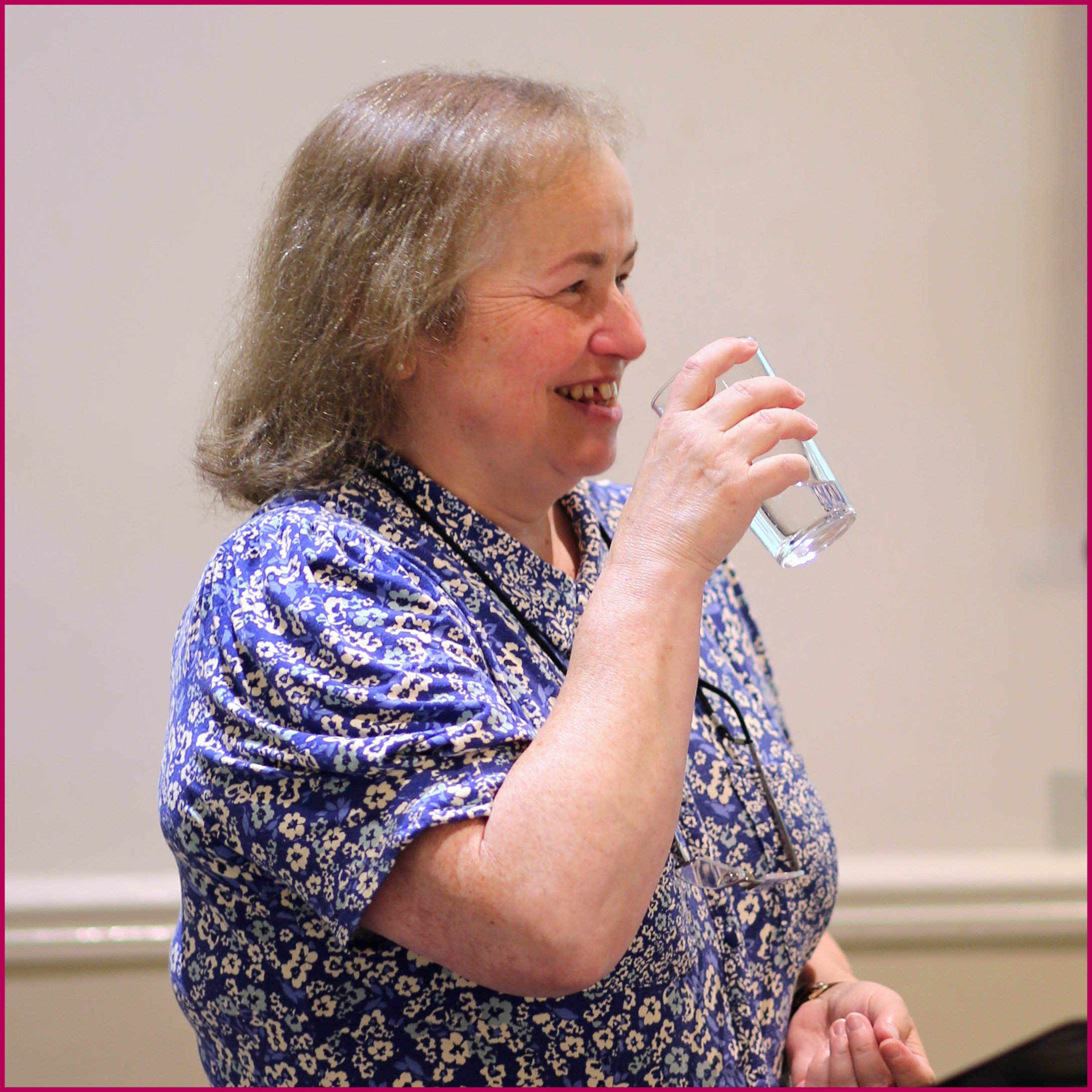
DR GILLIAN WHITE
Dr Gillian White specialises in the history and visual arts of late medieval and sixteenth-century England. After beginning her career at the Warwickshire Museum, she then worked for the National Trust as Curator/Collections Manager at Hardwick Hall, Derbyshire, about which she wrote her PhD at Warwick University. Since that she taught part-time at Leicester University in the Centre for the Study of the Country House and continues to teach History of Art in the Department of Continuing Education at Oxford University and elsewhere.
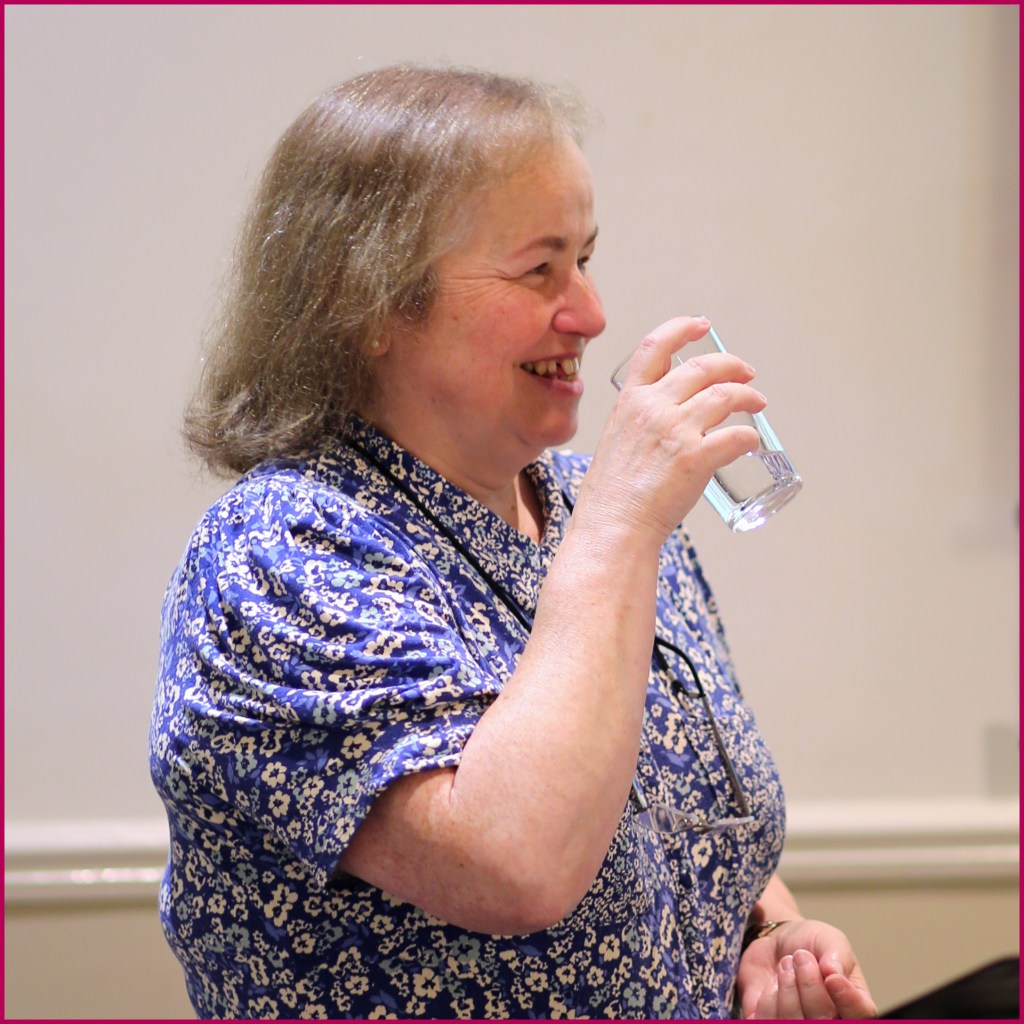
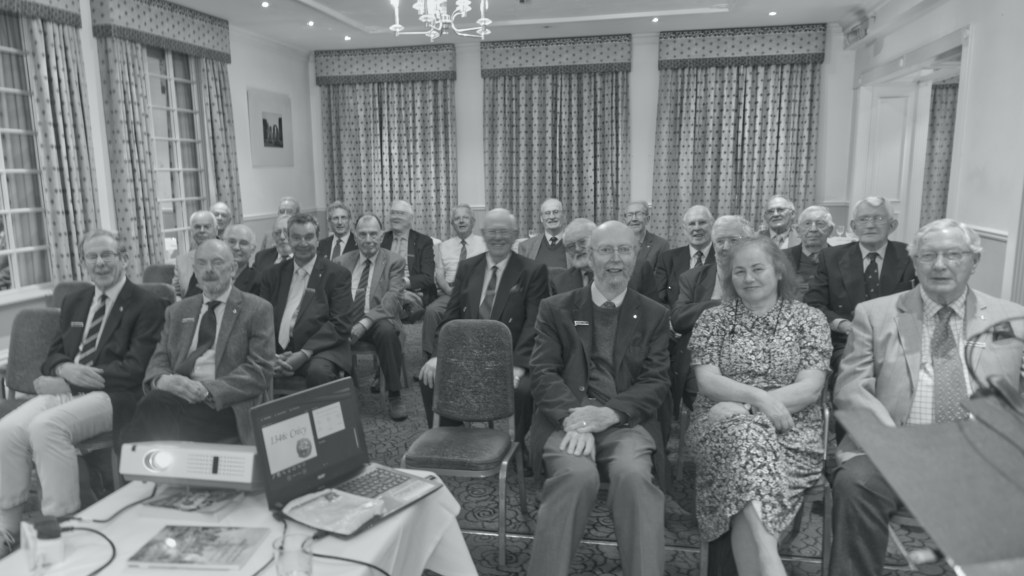
Dr White presented the Salisbury Probus Club with a wonderful account of the exploits of King Edward III and his son The Black Prince, during the early period of what was to become the 100 years war. The riveting story bought to life by Dr White engaged all those present, the most frequent comment being ‘if only history had been taught like this in my school’, and culminated with a description of the Battle of Crecey, in Northern France, where the King of France, Phillip VI was heavily defeated. Wikipedia describes the battle thus:
“The English army had landed in the Cotentin Peninsula on 12 July. It had burnt a path of destruction through some of the richest lands in France to within 2 miles (3 km) of Paris, sacking many towns on the way. The English then marched north, hoping to link up with an allied Flemish army which had invaded from Flanders. Hearing that the Flemish had turned back, and having temporarily outdistanced the pursuing French, Edward had his army prepare a defensive position on a hillside near Crécy-en-Ponthieu. Late on 26 August the French army, which greatly outnumbered the English, attacked.
During a brief archery duel a large force of French mercenary crossbowmen was routed by Welsh and English longbowmen. The French then launched a series of cavalry charges by their mounted knights. These were disordered by their impromptu nature, by having to force their way through the fleeing crossbowmen, by the muddy ground, by having to charge uphill, and by the pits dug by the English. The attacks were further broken up by the effective fire from the English archers, which caused heavy casualties. By the time the French charges reached the English men-at-arms, who had dismounted for the battle, they had lost much of their impetus. The ensuing hand-to-hand combat was described as “murderous, without pity, cruel, and very horrible.” The French charges continued late into the night, all with the same result: fierce fighting followed by a French repulse.
The English then laid siege to the port of Calais. The battle crippled the French army’s ability to relieve the siege; the town fell to the English the following year and remained under English rule for more than two centuries, until 1558. Crécy established the effectiveness of the longbow as a dominant weapon on the Western European battlefield.”
Dr White really bought history to life, and all greed it had been a most enjoyable lecture.
A number of member stayed on after for the monthly lunch, this time celebrating Trafalgar Day, and the exploits of Admiral Lord Nelson. A toast was raised to the New King, Charles III, and to the Admiral himself. Alan Bannister, CBE, proposed the s a toast to the “immortal memory of Admiral Lord Nelson” to mark the sacrifice he made during the battle and, unlike most toasts, this was taken standing up and in complete silence.
An excellent meal was then served, during which members were able to discuss the mornings lecture and generally ‘put the world to rights’ – always a favourite topic.
Discover more from Probus Club of Salisbury
Subscribe to get the latest posts sent to your email.
 Probus Club of Salisbury